
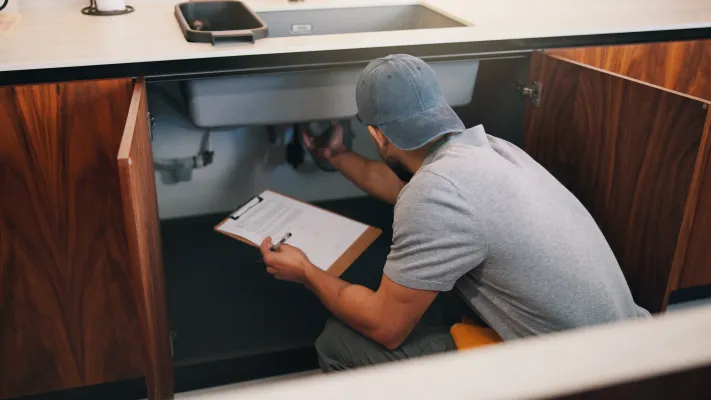
A standard home inspection is an important part of evaluating a property before you buy, but it may not answer every question about the home's condition. Depending on the property's age, location, construction, and visible concerns, additional specialized inspections can provide information that a general inspection may not fully cover.
This is especially important for Florida homebuyers. Roof condition, electrical systems, plumbing, wind resistance, moisture, radon, and possible ground movement can affect not only repair costs but also homeowners insurance and the overall affordability of a property.
No buyer needs every specialized inspection on every home. The goal is to understand the property well enough to make an informed decision before your inspection period expires.
1. Roof and 4-Point Inspection
For buyers purchasing an older Florida home, a 4-point inspection can be particularly important because some homeowners insurance companies may request one before issuing coverage.
A 4-point inspection generally focuses on four major systems:
- Roof
- Electrical system
- Plumbing system
- Heating and air conditioning system
This inspection is different from a full home inspection. Its primary purpose is typically to give an insurance company information about the condition and age of systems that may affect underwriting risk.
According to the Florida Department of Financial Services, an insurer may require a 4-point inspection for an older home. The insurer may also request a more specialized inspection of an individual component, with roof condition and remaining useful life being common areas of concern.
For a buyer, this can be valuable information before closing. A roof that appears functional today may still create an insurance issue because of its age, material, condition, or remaining life expectancy.
Do not assume that obtaining mortgage approval means the home will automatically qualify for affordable homeowners insurance. In Florida, it is wise to begin the insurance process while you are still evaluating the property.
2. Wind Mitigation Inspection
Florida homes face hurricane and high wind exposure, making wind resistance an important consideration when purchasing a property.
A wind mitigation inspection evaluates construction features that may help a home withstand wind damage. Depending on the property, the inspector may review items such as the roof covering, roof deck attachment, roof to wall connections, roof shape, secondary water resistance, and protection for windows and other openings.
The results are typically documented using Florida's Uniform Mitigation Verification Inspection Form.
A wind mitigation inspection is not simply about identifying damage. Certain qualifying construction features may affect the windstorm portion of a homeowners insurance premium. The Florida Department of Financial Services explains that policyholders may choose to obtain a wind mitigation inspection to determine which wind mitigation credits they may be eligible to receive.
That does not mean every inspection will result in an insurance discount. Credits depend on the home's qualifying features and the insurer's underwriting and rating rules.
For buyers, the inspection can still provide useful information about how the home was constructed and whether improvements such as opening protection or roof strengthening may be worth considering in the future.
3. Radon Testing
Radon is easy to overlook because you cannot see, smell, or taste it. It is a naturally occurring radioactive gas that can enter buildings from the soil beneath them.
The Florida Department of Health recommends that homebuyers know the radon level of a property they are considering. If the seller has already completed a properly conducted test, a buyer can review those results. If the home has not been tested, testing can be performed during the purchase process.
Radon is not limited to one specific part of Florida. Testing is the only way to determine the level in an individual home.
The Florida Department of Health reports that elevated radon levels have been found in Florida homes and recommends action when testing shows concentrations at or above 4 picocuries per liter.
For real estate transactions, short term testing may be used when results are needed within the inspection period, provided the test is conducted according to applicable procedures.
If elevated radon is discovered, it does not automatically mean you should abandon the purchase. Radon mitigation systems can reduce indoor concentrations. The important step is understanding the issue before closing so you can evaluate the cost and determine how it will be addressed.
4. Sinkhole or Structural Evaluation
Most Florida homes will never experience a serious sinkhole problem, but ground movement and structural cracking can be important concerns in certain areas or when visible warning signs exist.
Potential warning signs can include unusual cracking in walls or foundations, doors or windows that no longer operate properly, sloping floors, depressions in the ground, or portions of the structure that appear to have shifted.
A general home inspector may identify conditions that deserve further investigation, but diagnosing the cause of structural movement may require a qualified engineer, geologist, or other appropriate specialist.
The Florida Department of Financial Services advises buyers concerned about sinkholes to check local information, evaluate the home's insurability, and consider additional testing when appropriate. It also notes that a standard 4-point inspection does not normally address whether sinkhole activity may be present.
Specialized geological testing can be significantly more involved than a typical home inspection, so it is generally considered when the property's location, history, visible conditions, or insurance requirements create a reason for additional investigation.
Other Specialized Inspections You May Want to Consider
The four inspections above are not the only evaluations that can be useful. The right inspections depend on the specific property.
Depending on the home, your general inspector, real estate professional, insurance agent, or another qualified professional may recommend additional evaluations such as:
- Termite or wood destroying organism inspection
- Sewer scope inspection
- Septic system inspection
- Well water testing
- Pool and spa inspection
- Mold or moisture evaluation
- HVAC evaluation
- Electrical inspection
- Plumbing inspection
- Foundation or structural engineering evaluation
For example, a home with a private septic system may warrant a septic inspection, while a property with signs of repeated water intrusion may justify a closer moisture evaluation.
The objective is not to order every available inspection. It is to identify risks that are relevant to the property you are considering.
Why Florida Buyers Should Consider Insurance Before Closing
In Florida, property condition and homeowners insurance are closely connected.
An insurance company may evaluate the roof, electrical wiring, plumbing, heating and cooling system, and other property characteristics before agreeing to insure a home. The insurer may request inspection reports or conduct its own underwriting inspection.
This means a home can look affordable based on the purchase price and mortgage payment but become substantially more expensive once insurance is included.
Buyers should obtain homeowners insurance estimates early enough to understand whether the property is insurable and what the expected premium may be. If flood insurance is required or appropriate for the property, that cost should also be included when evaluating the monthly housing budget.
A mortgage lender will generally require acceptable property insurance before closing, so waiting until the final days of the transaction to investigate coverage can create unnecessary problems.
What Should You Do If an Inspection Finds a Problem?
An inspection problem does not automatically mean the purchase should end. Many homes have defects, maintenance needs, or components that are approaching the end of their useful life.
The more important questions are how serious the issue is, what it may cost to repair, whether it affects insurance or financing, and whether you are comfortable owning the property after closing.
Depending on your purchase contract and the timing of the inspection, possible next steps may include requesting additional specialist evaluations, negotiating repairs or credits, obtaining repair estimates, or reconsidering the purchase.
Your rights and options depend on the terms of your real estate contract, so discuss inspection findings and contractual deadlines with your real estate professional or legal adviser when appropriate.
Should You Skip an Inspection on a Newer Home?
A newer home can have fewer age related concerns, but that does not mean defects are impossible.
Construction errors, drainage problems, roofing defects, electrical issues, plumbing leaks, incomplete work, and other conditions can occur in relatively new properties.
Even when a home is newly constructed, an independent inspection may help identify items that deserve attention before closing or before applicable builder warranty periods expire.
The type and extent of inspection you choose should reflect the property, your comfort level, your purchase agreement, and any recommendations from qualified professionals.
How Much Do Specialized Home Inspections Cost?
Inspection fees vary based on the type of evaluation, property size, location, complexity, and professional performing the inspection.
A basic wind mitigation inspection or 4-point inspection may cost considerably less than an engineering evaluation or detailed geological investigation.
Instead of focusing only on the inspection fee, consider what the information could help you identify before committing to the property. Discovering a major roof, structural, plumbing, electrical, or insurance problem before closing can provide information that may materially affect your purchasing decision.
Ask inspectors to explain what their service includes, what is excluded, how results will be documented, and whether additional specialists may be recommended based on their findings.
The Bottom Line
A standard home inspection is an important starting point, but some Florida properties deserve a closer look. A 4-point or roof inspection, wind mitigation inspection, radon test, or specialized structural or sinkhole evaluation can reveal information that may affect repairs, homeowners insurance, financing, and your decision to purchase the home.
The right inspection strategy depends on the age, condition, location, and construction of the property. Pay particular attention to issues that can affect Florida insurance availability and costs, and begin obtaining insurance information before your closing date approaches.
Loan Wolf Lending can help Florida homebuyers understand how property condition, homeowners insurance, and mortgage requirements may affect their financing. Call 754-755-3075 to discuss your home purchase and available mortgage options.
Please note: This information is provided for educational purposes and is not a substitute for advice from a licensed home inspector, engineer, insurance professional, real estate professional, attorney, or other qualified specialist. Inspection, insurance, and mortgage requirements vary by property and transaction.