Saving for a down payment can be one of the biggest obstacles to buying a home. For qualified borrowers, a no down payment mortgage can remove that hurdle and make it possible to purchase sooner without using a large portion of available savings.
However, zero down does not mean zero cost, and financing the entire purchase price has important tradeoffs. Understanding the advantages and disadvantages can help you decide whether a no down payment home loan fits your financial situation.
What Is a No Down Payment Home Loan?
A no down payment mortgage allows an eligible borrower to finance up to 100% of the home's purchase price or eligible value, subject to the requirements of the specific loan program.
Two major government-backed options that can provide 100% financing are VA purchase loans for eligible Veterans, service members, and certain surviving spouses, and USDA guaranteed loans for qualified borrowers purchasing eligible primary residences in rural areas.
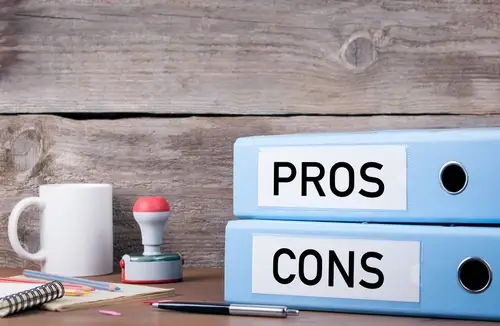
Pro: You Can Buy Without Saving a Large Down Payment
The most obvious advantage is reducing the amount of cash needed for the down payment. Instead of waiting years to accumulate a large down payment, an eligible borrower may be able to purchase sooner.
Keeping more savings available can also provide flexibility for moving expenses, furnishings, repairs, and an emergency fund after closing.
Pro: VA Loans Do Not Require Monthly PMI
Eligible VA borrowers can generally purchase with no down payment when the sales price does not exceed the home's appraised value and other requirements are met. VA-backed loans also do not require monthly private mortgage insurance or FHA-style mortgage insurance.
A VA funding fee may apply unless the borrower qualifies for an exemption. Closing costs and other purchase expenses should also be considered when determining how much cash will be needed.
Pro: USDA Loans Can Provide 100% Financing
The USDA Single Family Housing Guaranteed Loan Program offers 100% financing to eligible low- and moderate-income borrowers purchasing a qualifying primary residence in an eligible rural area.
USDA eligibility depends on the property location, household income, and other program requirements. Household income generally cannot exceed 115% of the applicable median household income for the area.
Con: Zero Down Does Not Mean Zero Cash to Close
A no down payment loan eliminates the down payment requirement, but buyers may still have closing costs, prepaid expenses, insurance costs, inspections, and other expenses associated with purchasing a home.
Seller credits or other permitted assistance may help with certain costs, depending on the loan program and transaction. Review your Loan Estimate carefully so you understand your estimated cash to close.
Con: You Begin With Less Home Equity
When you finance most or all of a home's purchase price, you generally begin homeownership with less equity than someone making a substantial down payment. If property values decline, selling or refinancing soon after purchasing could become more difficult.
A larger loan balance can also mean a higher monthly principal and interest payment compared with borrowing less, assuming the same interest rate and loan term.
Should You Make a Down Payment Even If It Is Not Required?
Possibly. Having access to zero-down financing does not mean putting nothing down is always the best financial decision. A voluntary down payment can reduce the amount borrowed and may lower the monthly payment and total interest expense.
On the other hand, using all available savings for a down payment can leave a new homeowner without adequate reserves. Consider your emergency savings, closing costs, upcoming expenses, and overall financial goals before deciding how much cash to contribute.
Is a No Down Payment Mortgage Right for You?
A no down payment mortgage can be a valuable option for qualified buyers who have sufficient income to support homeownership but prefer not to make a large upfront down payment. VA and USDA loans each have specific eligibility requirements, so the right program depends on the borrower and property.
Loan Wolf Lending can help Florida homebuyers compare VA, USDA, conventional, FHA, and other available mortgage options to determine which approach fits their homebuying goals. Call 754-755-3075 to discuss your financing options.