
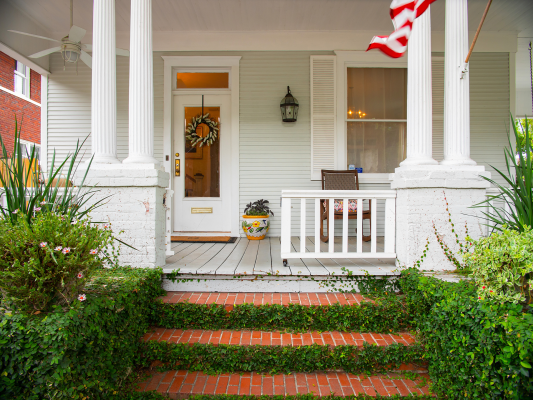
Historic homes can offer distinctive architecture, craftsmanship, and a connection to the past that is difficult to recreate in newer construction. But owning an older property can also bring additional maintenance, insurance, renovation, and financing considerations.
If you are considering buying a historic home, understanding both the advantages and potential challenges can help you decide whether the property fits your lifestyle and budget.
Why Buy a Historic Home?
One of the biggest attractions is character. Original woodwork, fireplaces, architectural details, high ceilings, and period-specific designs can give an older home an identity that buyers may not find in newer properties.
Historic homes are also frequently located in established neighborhoods. Depending on the community, that could mean mature landscaping, distinctive streetscapes, and convenient access to established downtown areas, parks, shops, or other amenities.
For some buyers, preserving a piece of local history is part of the appeal. Florida alone has more than 1,700 properties and districts listed on the National Register of Historic Places.
Does Historic Designation Restrict Renovations?
Not necessarily. Simply being listed in the National Register does not, by itself, restrict a private owner's basic right to use or sell a property. However, local historic preservation ordinances, easements, or other restrictions can affect what changes are permitted.
Before buying, determine exactly how the property is designated and whether local approval is required for exterior renovations, additions, windows, roofing, or other improvements you may be considering.
Expect More Maintenance and Potential Repairs
Age does not automatically mean a home is in poor condition, but older properties can contain systems or materials that eventually need updating. Plumbing, electrical systems, roofing, HVAC equipment, foundations, windows, and insulation deserve careful evaluation.
Renovations can also reveal problems that were not visible during an initial showing. Buyers should consider a thorough home inspection and, when appropriate, additional evaluations by professionals experienced with older properties.
Keep sufficient savings available for maintenance and unexpected repairs rather than assuming the property's age guarantees superior construction.
Check Insurance Before Buying a Historic Home in Florida
Insurance deserves particular attention when purchasing an older Florida home. An insurer may require a four-point inspection covering the roof, plumbing, electrical system, and heating and air conditioning before providing coverage.
An insurer may also consider the property's condition and certain building components during underwriting. Obtaining insurance quotes early can help you identify potential coverage issues and better estimate the home's total ownership cost before closing.
Are There Tax Benefits for Historic Homes?
Some historic properties may qualify for preservation incentives, but buyers should not assume that every older home receives a tax benefit.
Florida law allows counties and municipalities to adopt programs that can provide a property tax exemption for up to 100% of the increase in assessed value resulting from an approved rehabilitation of a qualifying historic property. The exemption can remain in effect for up to 10 years and applies only to taxes levied by the participating local government.
Eligibility, rehabilitation standards, and local participation requirements apply, so check with the appropriate local preservation office and property appraiser before relying on an incentive.
How to Prepare Before Buying a Historic House
Before making an offer, research the property's history and historic designation, review potential renovation restrictions, obtain a professional inspection, and investigate insurance availability.
It is also wise to estimate the cost of improvements you already know you want to make. Contractors familiar with historic properties may be able to provide better insight into specialized materials, restoration requirements, and potential project costs.
Finally, discuss the property with your lender early. The condition of any home can affect mortgage financing, particularly when significant repairs are needed.
Is a Historic Home Right for You?
Buying a historic home can be rewarding for someone who values architectural character and is comfortable with the responsibilities that can accompany an older property. The key is to evaluate the house based on its actual condition rather than its age or appearance alone.
Research preservation requirements, inspect the major systems, understand insurance costs, and leave room in your budget for future repairs. With the right preparation, you can make a more informed decision about whether a historic property belongs in your future.
Loan Wolf Lending can help Florida homebuyers explore mortgage options for historic and older properties. Call 754-755-3075 to discuss your home financing plans.