
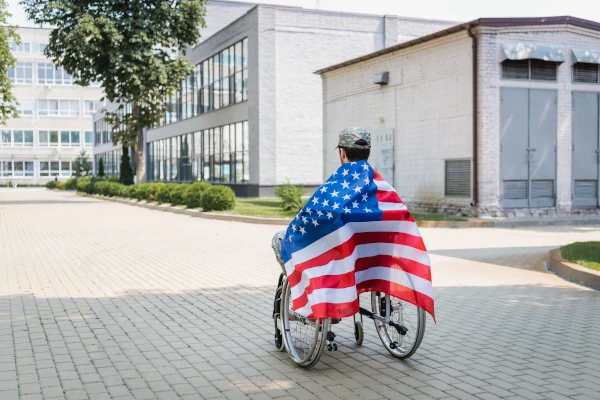
The Department of Veterans Affairs offers housing grants that can help eligible Veterans and service members with disabilities create homes that better support accessibility and independent living. Depending on eligibility, these benefits may help with buying, building, or adapting a permanent home, or modifying a family member's home where the Veteran is temporarily living.
These programs are different from VA home loans. Housing grants generally do not require repayment, but each program has specific disability, ownership, property, and use requirements.
What VA Housing Grants Are Available for Disabled Veterans?
The primary VA programs include the Specially Adapted Housing (SAH) grant, Special Home Adaptation (SHA) grant, Temporary Residence Adaptation (TRA) grant, and the Home Improvements and Structural Alterations (HISA) benefit.
SAH and SHA focus on eligible Veterans and service members with qualifying service-connected disabilities. TRA can help eligible SAH or SHA recipients adapt a family member's home where they are temporarily living. HISA is a separate VA health care benefit for medically necessary improvements and structural alterations.
Specially Adapted Housing (SAH) Grant
The SAH grant is designed for Veterans and service members with certain qualifying service-connected disabilities who own or will own their permanent home.
Qualifying disabilities can include the loss or loss of use of more than one limb, blindness in both eyes meeting VA criteria, certain severe burns, and other disabilities specifically identified by VA. Eligibility is based on VA requirements, so applicants should confirm their individual status directly with VA.
For fiscal year 2026, the maximum SAH grant is $126,526. Eligible recipients may use SAH funds to buy, build, or modify a permanent home to meet their accessibility needs.
Special Home Adaptation (SHA) Grant
The SHA grant assists Veterans and service members with a different group of qualifying service-connected disabilities. To qualify, the Veteran or service member must have an eligible disability, and the home must be owned or eventually owned by the applicant or a family member.
Qualifying conditions currently include loss or loss of use of both hands, certain severe burns, and certain respiratory or breathing injuries.
For fiscal year 2026, the maximum SHA grant is $25,350. Funds may be used to buy, build, or adapt a permanent home that meets VA requirements.
Can You Use SAH or SHA More Than Once?
Yes. Eligible Veterans and service members do not necessarily have to use the entire benefit on one project. VA currently allows SAH or SHA grant money to be used up to six different times over a recipient's lifetime, subject to the applicable maximum benefit.
The maximum grant amount may also be adjusted over time based on construction costs. VA states that an eligible recipient may receive up to the current total maximum amount for the final year in which the grant is used.
This flexibility can be helpful when accessibility needs change or a Veteran later moves to another permanent residence.
Temporary Residence Adaptation (TRA) Grant
The TRA grant is designed for eligible Veterans and service members who are temporarily living in a family member's home and need accessibility modifications there.
You do not have to own the family member's home, but you must qualify for either the SAH or SHA grant.
For fiscal year 2026, the TRA maximum is:
- Up to $50,961 for someone who qualifies under SAH eligibility.
- Up to $9,100 for someone who qualifies under SHA eligibility.
TRA can be useful when a Veteran is temporarily staying with family while preparing a permanent residence or dealing with another housing transition.
Home Improvements and Structural Alterations (HISA) Benefit
HISA is separate from the SAH and SHA programs. It provides assistance for medically necessary improvements and structural alterations to a Veteran's or service member's primary residence.
Eligible improvements can include permanent entrance ramps, changes that improve access to bathrooms and kitchens, modifications to sinks or counters, and certain plumbing or electrical work required for home medical equipment.
Current VA guidance provides a lifetime HISA benefit of up to $6,800 for qualifying service-connected conditions and certain other eligible circumstances. A lifetime benefit of up to $2,000 may apply to other qualifying disabilities.
Unlike SAH and SHA, HISA can potentially be used for an eligible primary residence that the Veteran rents. Renters must provide the required authorization from the property owner.
What Home Modifications Can VA Housing Grants Cover?
The appropriate modifications depend on the Veteran's disability, the property, and the specific VA program. Projects may include accessibility improvements such as:
- Permanent wheelchair ramps and accessible entrances
- Wider doorways and accessible pathways
- Roll-in showers and bathroom modifications
- Accessible sinks and countertops
- Changes that improve movement throughout the home
- Other approved structural adaptations related to the Veteran's needs
Not every improvement qualifies. For example, HISA excludes certain items such as new construction, exterior decking, hot tubs, and routine home repairs. Applicants should obtain VA approval and confirm program requirements before beginning work.
How Do You Apply for an SAH or SHA Grant?
Veterans and service members can apply for SAH or SHA benefits online through VA.gov, by mail, or in person.
For applications by mail or in person, VA uses VA Form 26-4555, Application in Acquiring Specially Adapted Housing or Special Home Adaptation Grant. Applicants should have their Social Security number and VA file or claim number, if available.
After receiving the application, VA reviews the claim and sends a decision. Eligible applicants can also work with VA representatives as they develop plans for an adapted home.
How Do You Apply for HISA?
Because HISA is a VA health care benefit, its application process is different. A completed application generally includes a prescription written or approved by a VA physician that describes the proposed project and explains its medical necessity.
Applicants also use VA Form 10-0103 and provide an itemized estimate of labor, materials, permits, and inspection costs, along with a photograph of the area before improvements. Renters must provide the required property owner authorization.
Veterans considering HISA should contact their VA health care team or local Prosthetic and Sensory Aids Service for eligibility and application guidance.
Can a VA Housing Grant Be Used With a VA Home Loan?
A VA disability housing grant and a VA-backed mortgage serve different purposes. An eligible Veteran may use housing grant assistance for approved accessibility needs while separately using VA home loan benefits to finance an eligible home, provided the requirements for each program are satisfied.
Do not assume that qualifying for one VA benefit automatically establishes eligibility for another. Grant eligibility, VA home loan eligibility, property requirements, and mortgage underwriting are evaluated under their respective rules.
Getting Help With VA Housing Benefits
VA housing grants can make important accessibility improvements possible, but the correct program depends on the Veteran's qualifying disability, housing situation, ownership, and planned modifications.
Start with VA to confirm grant eligibility and determine which adaptations can be approved. If purchasing or refinancing a home is also part of the plan, a mortgage professional experienced with VA financing can help explain how the mortgage and grant processes may work together.
Loan Wolf Lending helps eligible Florida Veterans and service members explore VA home financing options. Call 754-755-3075 to discuss your home financing needs and how a VA loan may fit into your housing plans.
Please note: Loan Wolf Lending is not affiliated with or acting on behalf of the Department of Veterans Affairs. VA grant amounts and eligibility requirements can change. Confirm current benefits and eligibility directly with VA.