
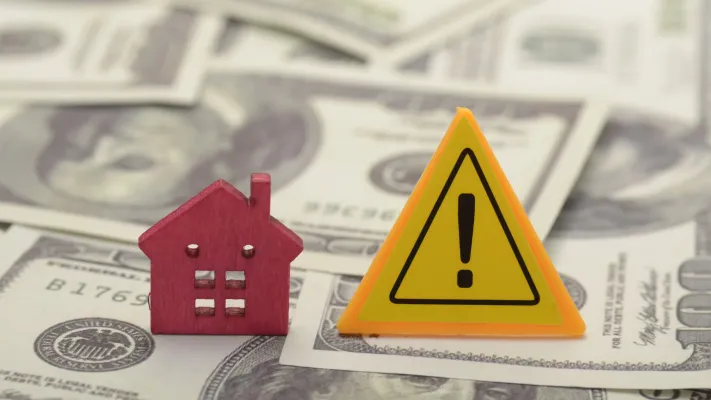
Buying a home involves large financial transactions, sensitive personal information, and communication among lenders, real estate professionals, title companies, and other parties. Unfortunately, those same factors can create opportunities for scammers.
Mortgage scams can target buyers before closing and homeowners long after they receive the keys. Knowing the warning signs, independently verifying financial instructions, and understanding where legitimate mortgage communications should come from can help protect your money and personal information.
Watch for Mortgage Closing Wire Fraud
Mortgage closing scams can occur when criminals impersonate a trusted professional involved in a real estate transaction. A fraudulent email or message may appear to come from your title company, settlement agent, real estate professional, attorney, or another familiar contact.
The scammer may provide new wire instructions or claim that previously provided instructions have changed. Because buyers are often transferring substantial funds for a down payment and closing costs, sending money to the fraudulent account can result in a significant loss.
Before sending closing funds, verify the instructions directly with your trusted closing contact using a phone number you obtained independently. Do not use a new phone number included in an unexpected email containing revised payment instructions.
Be Skeptical of Mortgage Offers That Seem Too Good to Be True
An unusually attractive mortgage offer deserves careful review. A low advertised rate by itself does not tell you the complete cost or terms of a loan.
Compare the interest rate, APR, discount points, lender credits, origination charges, closing costs, loan program, and other terms. For applicable mortgages, the Loan Estimate provides a standardized way to review important loan details and compare offers.
Also verify the company and mortgage professional before providing sensitive financial information. Consumers can use NMLS Consumer Access to research mortgage companies and licensed or registered mortgage loan originators.
Be particularly cautious when someone pressures you to provide bank information, Social Security numbers, passwords, verification codes, or payment before you have confirmed who they are.
Know the Warning Signs of Foreclosure Relief Scams
Homeowners struggling with mortgage payments can become targets for foreclosure relief and loan modification scams. Fraudsters may promise to stop a foreclosure, guarantee a loan modification, or claim they have a special relationship with your lender or a government agency.
The Consumer Financial Protection Bureau and Federal Trade Commission identify several warning signs. Be cautious if a company tells you to stop making mortgage payments, asks you to send payments somewhere other than your mortgage servicer, pressures you to sign documents you do not understand, or asks you to transfer the title to your property.
Another major warning sign is a company demanding an upfront fee for mortgage relief. Federal rules generally prohibit mortgage assistance relief companies from collecting fees before they obtain an offer of relief from the lender or servicer that the homeowner accepts.
If you are having difficulty making your mortgage payment, contact your mortgage servicer directly. HUD-approved housing counseling agencies can also provide legitimate assistance.
Recognize Common Mortgage Scam Red Flags
Scammers frequently rely on urgency and impersonation to keep people from verifying information. Warning signs can include:
- Unexpected changes to closing or wire instructions
- Pressure to send money immediately
- Requests for payment by gift card, cryptocurrency, wire transfer, or unusual payment methods
- Emails from addresses that closely resemble legitimate contacts but contain small differences
- Promises of guaranteed mortgage approval or guaranteed foreclosure prevention
- Requests to stop communicating with your lender or mortgage servicer
- Requests to make mortgage payments to an unfamiliar third party
- Requests to sign over the deed or title to your home
- Unsolicited requests for passwords or account verification codes
An urgent message does not become legitimate simply because it contains your name, property address, loan information, or the name of a company involved in your transaction. Verify unexpected requests through a trusted communication channel.
How Can You Protect Yourself During the Mortgage Process?
Establish trusted contact information early in the homebuying process. Save the verified phone numbers for your lender, real estate professional, title company, settlement agent, and other professionals involved in the transaction.
Before transferring money, confirm the recipient, financial institution, account information, and amount using those trusted contact details. If you receive a last-minute change to payment instructions, treat it as a reason for additional verification.
Protect your online accounts as well. Use strong, unique passwords and multifactor authentication when available. Avoid sending sensitive financial documents through unsecured channels, and use the lender's secure document portal when one is provided.
Keep copies of important communications and mortgage documents so you have a record of what was requested, provided, and agreed to during the transaction.
What Should You Do if You Think You Were Scammed?
Act quickly if you believe money or personal information has been sent to a scammer.
If the incident involves a wire transfer, contact your bank or wire-transfer provider immediately and ask whether the transfer can be recalled or stopped. Contact the legitimate company or professional who was impersonated so they know their communications may have been compromised.
The Consumer Financial Protection Bureau currently recommends reporting fraud or scams to appropriate authorities such as the Federal Trade Commission, the FBI, your state attorney general, or local law enforcement. Online financial crimes can also be reported through the FBI's Internet Crime Complaint Center.
If sensitive personal information was compromised, monitor your financial accounts and credit information and take appropriate identity theft precautions.
The Bottom Line
Mortgage scams often succeed by creating urgency and impersonating people or organizations you already trust. The safest response to an unexpected request involving money, loan documents, personal information, or changed closing instructions is to independently verify it before acting.
Homebuyers should be particularly careful with wire instructions, unusually attractive mortgage offers, and unexpected requests for financial information. Homeowners experiencing financial hardship should communicate directly with their mortgage servicer or seek assistance from a HUD-approved housing counseling agency rather than trusting unsolicited promises of guaranteed mortgage relief.
Loan Wolf Lending can help Florida homebuyers understand legitimate mortgage financing and the steps involved in the loan process. If you receive a communication claiming to be from Loan Wolf Lending and are unsure whether it is legitimate, verify it directly by calling 754-755-3075 using the contact information published on our website.