
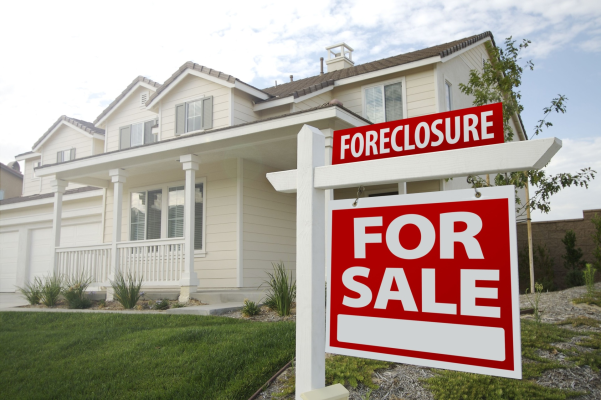
Buying a foreclosed home can look like an opportunity to purchase a property at an attractive price, but a foreclosure is not automatically a bargain. These properties can come with repair needs, additional research, different sales procedures, and financing challenges.
Before making an offer, understand how the property is being sold and carefully compare the potential savings with the risks and costs involved.
What Does Buying a Foreclosure Mean?
A foreclosure occurs when a mortgage lender or other lienholder uses the applicable legal process to recover property after a borrower defaults. Buyers may encounter foreclosed properties at different stages, including a foreclosure sale or after a lender or government agency has taken ownership.
The buying process can differ depending on who owns the property and how it is being sold. A bank-owned property, HUD home, and property purchased directly at a foreclosure sale should not be treated as identical transactions.
Potential Advantages of Buying a Foreclosed Home
The main attraction is the possibility of purchasing a property at a price that makes sense relative to comparable homes and the property's condition. Some sellers of foreclosed properties may also be focused on completing the sale rather than making extensive improvements before listing.
A property needing cosmetic updates or manageable repairs could provide an opportunity for a buyer who has the budget and experience to complete the work.
However, the word "foreclosure" does not guarantee a below-market price or future profit. Evaluate the property based on its current condition, comparable sales, necessary repairs, and total acquisition costs.
Foreclosed Homes May Be Sold As-Is
Property condition is one of the biggest risks when buying a foreclosure. Some homes may have been vacant for an extended period or received limited maintenance. Others may need repairs to roofing, plumbing, electrical systems, HVAC equipment, appliances, or other components.
HUD, for example, sells HUD Homes in as-is condition and does not warrant their condition or pay to correct defects. HUD strongly encourages prospective buyers to obtain a professional home inspection.
Even when a property appears inexpensive, significant repairs can quickly change the economics of the purchase.
Get a Home Inspection When Possible
If the transaction allows an inspection, take advantage of the opportunity. A qualified home inspector can help identify visible defects and areas that may require additional evaluation.
Depending on the property's age and condition, you may also want specialized inspections involving the roof, electrical system, plumbing, HVAC, pests, structure, septic system, or other components.
An appraisal required by your lender is not a substitute for a home inspection. The appraisal primarily supports the lender's valuation and applicable property requirements, while an inspection is intended to help you understand the home's condition.
Can You Get a Mortgage on a Foreclosed Home?
Financing may be available, but the property's condition can affect your options. A home with serious safety, structural, or habitability problems may not satisfy the requirements of a standard mortgage program in its current condition.
Renovation financing may be worth exploring when substantial repairs are necessary. For example, FHA's Section 203(k) program can allow eligible borrowers to finance the purchase or refinance of a home along with qualifying rehabilitation costs.
Discuss the property with your lender before assuming that a particular mortgage program will work.
Research the Title and Purchase Process
Foreclosure transactions can involve title issues, liens, unpaid assessments, occupancy concerns, or other complications. The risks can be especially different when purchasing at a courthouse foreclosure sale rather than buying a lender-owned property through a more traditional real estate transaction.
Florida foreclosure sales also have specific legal and tax procedures. For example, Florida imposes documentary stamp tax on certificates of title issued through foreclosure proceedings, with the tax generally calculated using the final bid amount.
Before bidding at a foreclosure sale, consider having a qualified Florida real estate attorney or title professional research the property and explain the transaction.
Remember Insurance and Repair Costs in Florida
Florida buyers should investigate homeowners insurance before committing to an older or distressed property. Roof age and condition, plumbing, electrical systems, HVAC equipment, wind exposure, and prior property conditions can affect insurance availability and cost.
Flood exposure should also be reviewed because standard homeowners insurance generally does not cover flooding.
Factor insurance, property taxes, HOA or condo obligations, immediate repairs, and future maintenance into your budget rather than evaluating the property solely by its purchase price.
Is Buying a Foreclosure Worth It?
A foreclosure can be worth considering when the price, condition, financing, title, and repair budget all make sense. But buying simply because a property appears cheaper than neighboring homes can expose you to unexpected costs.
Research comparable properties, inspect the home when possible, estimate repairs realistically, investigate insurance, understand the title, and confirm financing before committing.
Loan Wolf Lending can help Florida homebuyers explore mortgage and renovation financing options for eligible properties. Call 754-755-3075 to discuss your home financing plans.